


Most people wait to feel ready before they start the hard thing. Ready rarely turns up on schedule, so the hard thing gets pushed to tomorrow, and tomorrow, and tomorrow, until it is simply not getting done.
In elite sport, nobody waits to feel like training. The session happens at the scheduled time regardless of mood, weather, or how anyone slept the night before. The structure carries the work on the days feeling ready does not show up, which is most days, for most people, including professional athletes.
That is the part people miss. Elite performers do not feel more up for it than everyone else. They have simply built something that does not require the feeling to function. The structure does the job that used to depend on mood.
And there’s a rather useful lesson in that for the rest of us.
If there’s something you keep meaning to get around to, here’s how to build a structure that makes actually doing it considerably easier.
Four steps to getting started (and keeping going)
Pick the one thing you keep postponing.
Fix it to a time, not a feeling.
Shrink the first move until it’s impossible to avoid.
Build the environment that makes starting the default.
Step 1: Pick the one thing you keep postponing
Every professional programme has a session players find hardest, usually the least enjoyable, most effortful part of the week. It stays on the schedule anyway, because skipping it costs more than doing it.
Most people have a version of this too, the task they know matters but keep quietly moving to tomorrow. It rarely disappears. It just sits there, taking up mental space every day it is avoided.
What to do: Name that one thing now, and be specific. Rather than a general category like get organised, identify the actual task you have been sidestepping.
Step 2: Fix it to a time, not a feeling
Training happens at a fixed hour because a fixed hour removes the negotiation. There is no debate about whether it is the right moment. The time decides, not the mood.
Most people schedule their hardest task loosely, at some point today, which quietly hands the decision to however they feel when that point comes round. On a hard day, the feeling always loses.
What to do: Give the task from Step 1 a fixed time this week, the same slot each day if it repeats. Treat that slot the way a professional treats a training time. It is not up for discussion once it is set.
Step 3: Shrink the first move until it’s impossible to avoid
Elite performers do not walk into a session thinking about the whole block ahead of them. They think about the first rep. The size of the whole thing is irrelevant to the size of the next action.
Most people stall because they are picturing the entire task, which feels large enough to justify putting it off one more day. The size of the ambition becomes the reason nothing starts.
What to do: Shrink your first move on the postponed task down to something almost embarrassingly small. Two minutes, one sentence, one message. Make it small enough that skipping it takes more effort than doing it.
Step 4: Build the environment that makes starting the default
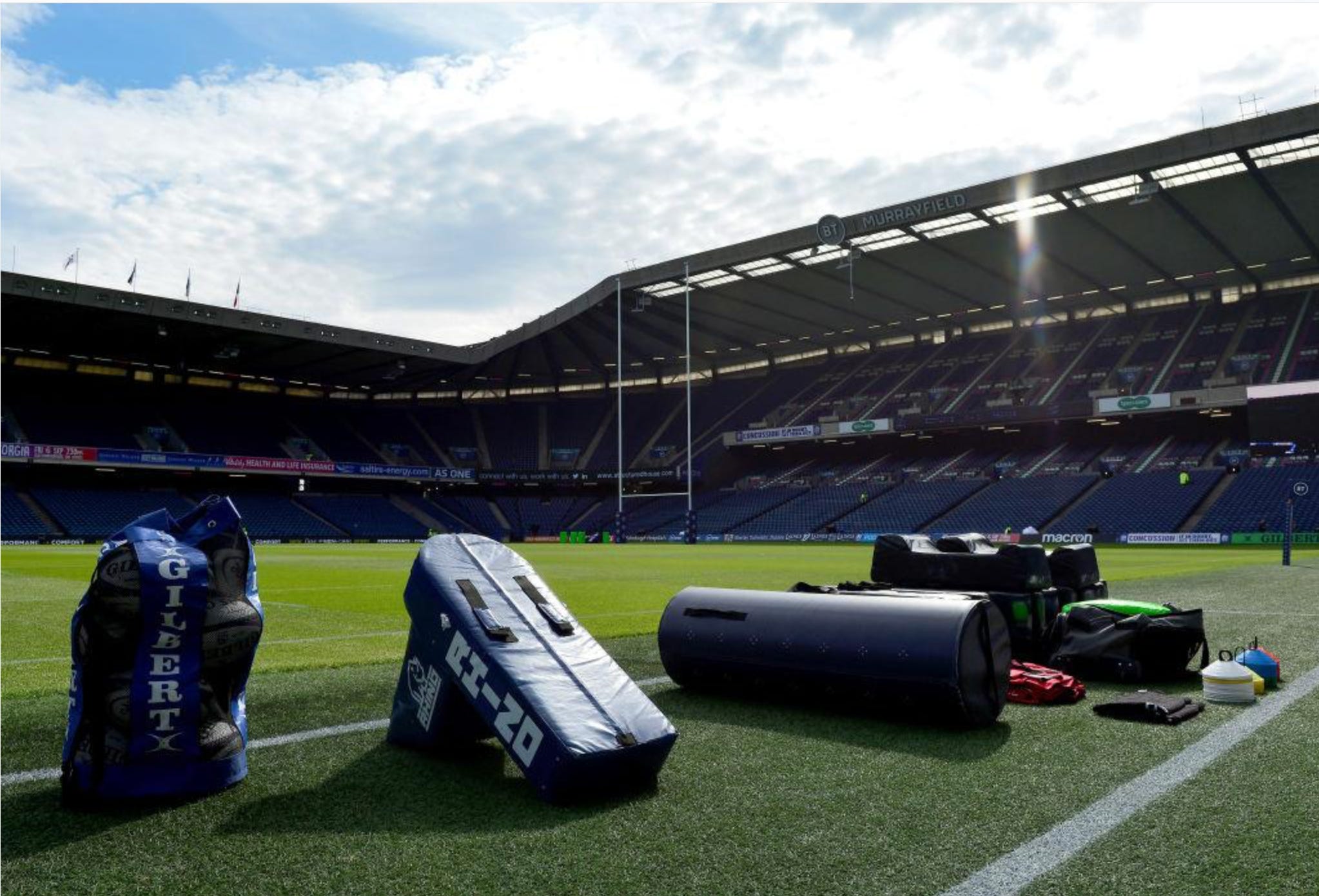
A training ground is built so the right choice is the easy one. Kit is laid out. Equipment is ready. Nobody has to search for anything or negotiate with a messy space before the work can begin.
Most people work inside environments that quietly resist the task. Phone within reach, tabs open, the workspace set up for distraction rather than the job at hand. Every extra step between deciding and starting is a chance to talk yourself out of it.
What to do: Before your fixed slot this week, remove one obstacle from your environment in advance. Phone in another room, the right document already open, the desk already clear. Make starting the path of least resistance.
Put it into practice
You don’t need an elaborate plan. Just answer these four questions:
What is the one task you keep quietly postponing?
What fixed time will you give it this week, and what would stop you moving it?
What is the smallest possible first move on that task?
What one thing in your environment currently makes starting harder than it needs to be?
That’s your structure. Now you’ve just got to use it.
One final thought
You do not need to feel ready. You need a structure that does not ask you to.
Elite performers are not running on a constant supply of enthusiasm. They are running on a schedule that does not check how they feel before it starts. That is the whole trick.
Build the structure once. Let it carry you on the days the feeling does not show.
Want to apply the principles of high performance to your own life?
After more than twenty years working in professional sport, I’m now offering one-to-one sessions to help athletes and non-athletes apply the practical tools, structures and habits of elite performance to their own lives.
Whether you’re navigating a sporting career, finding your way beyond one, or simply looking to perform more consistently in the things that matter to you, we can work together to make those principles useful in your own circumstances.
Really inspiring for us amateurs, thank you. I was only saying to my partner this morning: ‘Do I want to go into the gym today and lift weights? No. But do I know I will leave feeling I have achieved something hard. Be it an extra rep, moving up a kg somewhere on one exercise or just completing that first rep. I leave feeling stronger and that’s what matters. Gets me there, anyway.
I think the point about making starting the default is the most interesting one, Kate. In elite sport, we understand how much preparation, routine and the right environment contribute to performance. Yet outside sport, we still tend to talk about achievement as though it's mostly a matter of individual motivation.