


“Perception is reality.”
We have all heard the phrase. It is repeated so often that it can begin to sound almost throwaway, yet it contains a powerful truth. The way something is perceived frequently becomes the reality people respond to, whether or not it captures the full picture.
This weekend’s England loss to Italy offered a fascinating illustration of why perception and public narrative matter far more than people often realise.
Steve Borthwick has developed a reputation in parts of the media and among supporters as overly clinical, mechanical and, perhaps most damagingly, uninspiring.
I worked with Steve when he was at Bath Rugby and we remained in contact for a number of years afterwards. At the time my role involved navigating the intersection between performance, media narrative and public perception. It gave me a close vantage point on how quickly stories form around coaches and teams, and how powerful those stories can become once they take hold.
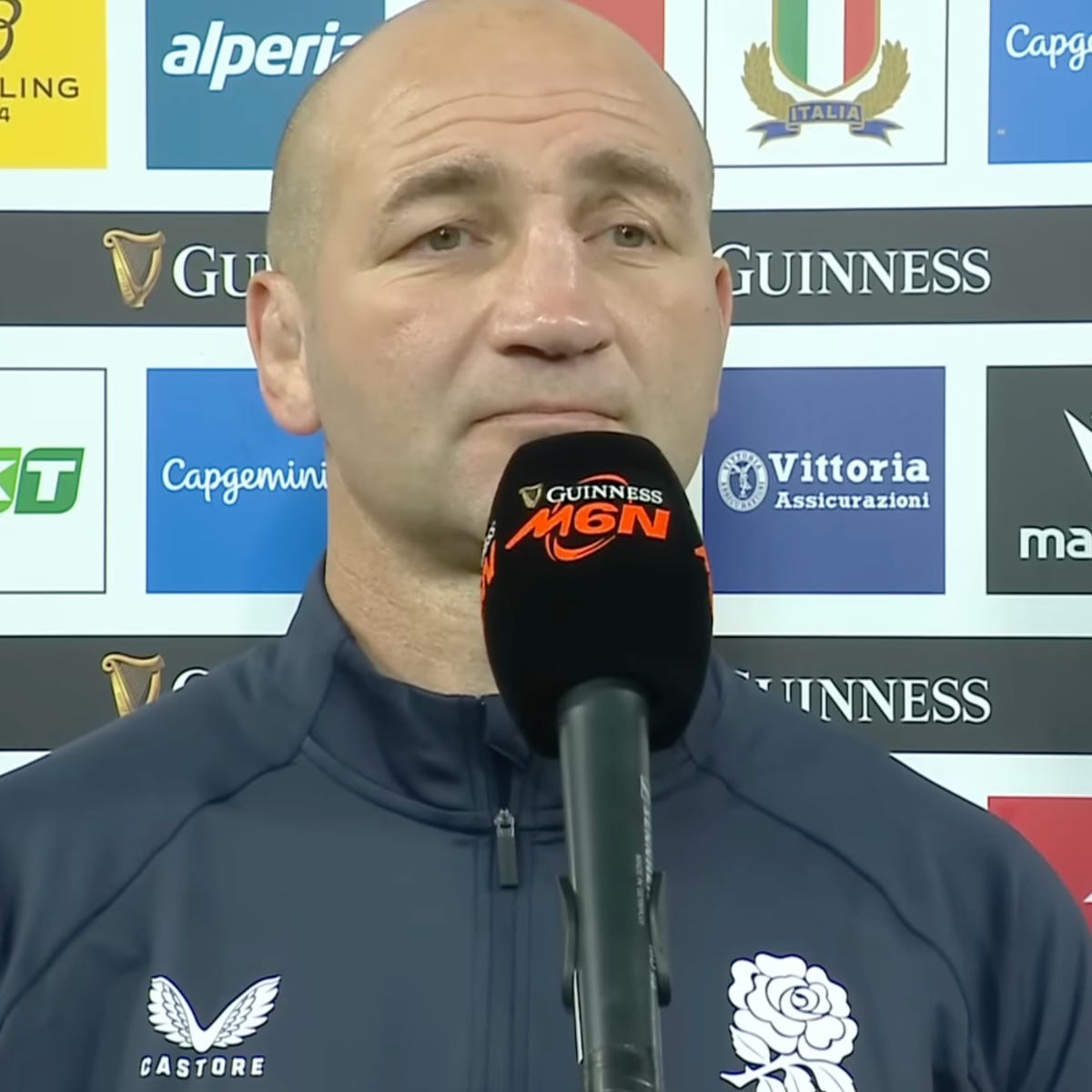
If you watch Borthwick’s interviews closely, he often appears slightly guarded, almost braced for confrontation, as though anticipating criticism before it arrives. It can create the impression of someone defensive or combative.
Yet the person I experienced in reality was rather different.
He had a remarkable ability to draw information out of people while remaining deeply private about himself. But he was also thoughtful, widely read and deeply curious about ideas and perspectives. If you managed to scratch beneath the surface, he could be a genuinely warm and fascinating person to talk to.
I have no insight into what is happening behind the scenes with England now, and that is not really the point here.
The point is what it looks like from the outside.
Perception does not need to be entirely wrong to take hold. It simply needs to become the dominant story.
Right now the prevailing narrative around England is clear. The rugby is widely perceived as dull. The team appears uncertain of its identity. The coach is seen as uninspiring.
Whether that picture is entirely accurate is almost beside the point. Once a perception settles in the public imagination, it becomes the lens through which everything else is interpreted.
A narrow defeat becomes confirmation of decline.
A tactical decision becomes evidence of stubbornness.
A cautious interview reinforces the image of a defensive coach.
That is not purely a performance issue.
It is a narrative issue.
And narrative is where PR truly lives.
People often misunderstand PR. They imagine spin, clever press releases or carefully managed media appearances. In reality, it is something far more fundamental.
PR is the process of shaping the story people tell about you when you are not in the room.
In elite sport, that story forms constantly. It is shaped by journalists, commentators, supporters, social media and results themselves. Once it settles into place it becomes incredibly powerful, because every new moment begins to reinforce the narrative that already exists.
Which is why reputation is never neutral.
You are either shaping it.
Or allowing someone else to do it for you.
Over the coming days I want to explore this idea a little further. The dynamics of perception, narrative and credibility are not unique to sport. They play out inside organisations, leadership environments and teams everywhere.
Understanding how those narratives form, and how they can be shaped, is one of the most valuable and misunderstood skills in any high-performance environment.
If that intersection between performance, reputation and leadership interests you, feel free to subscribe. I’ll be writing more about the lessons elite sport offers for the worlds beyond it.