


“Erase the word ‘failure’ from your vocabulary. No case is ever truly closed, and no challenge is ever over.” - Mary Lou Retton
There’s a phrase people love to repeat when talking about confidence:
Fake it till you make it.
I’ve never been completely convinced by it.
Not because I don’t understand the intention behind it, but because the word fake implies you are pretending until one day you finally become legitimate.
In elite environments, it rarely works like that.
In sport especially, confidence isn’t something you are handed once you arrive.
It’s something that gets tested.
Often quietly.
Often indirectly.
And usually when you feel least prepared.
One moment early in my career taught me that very clearly…
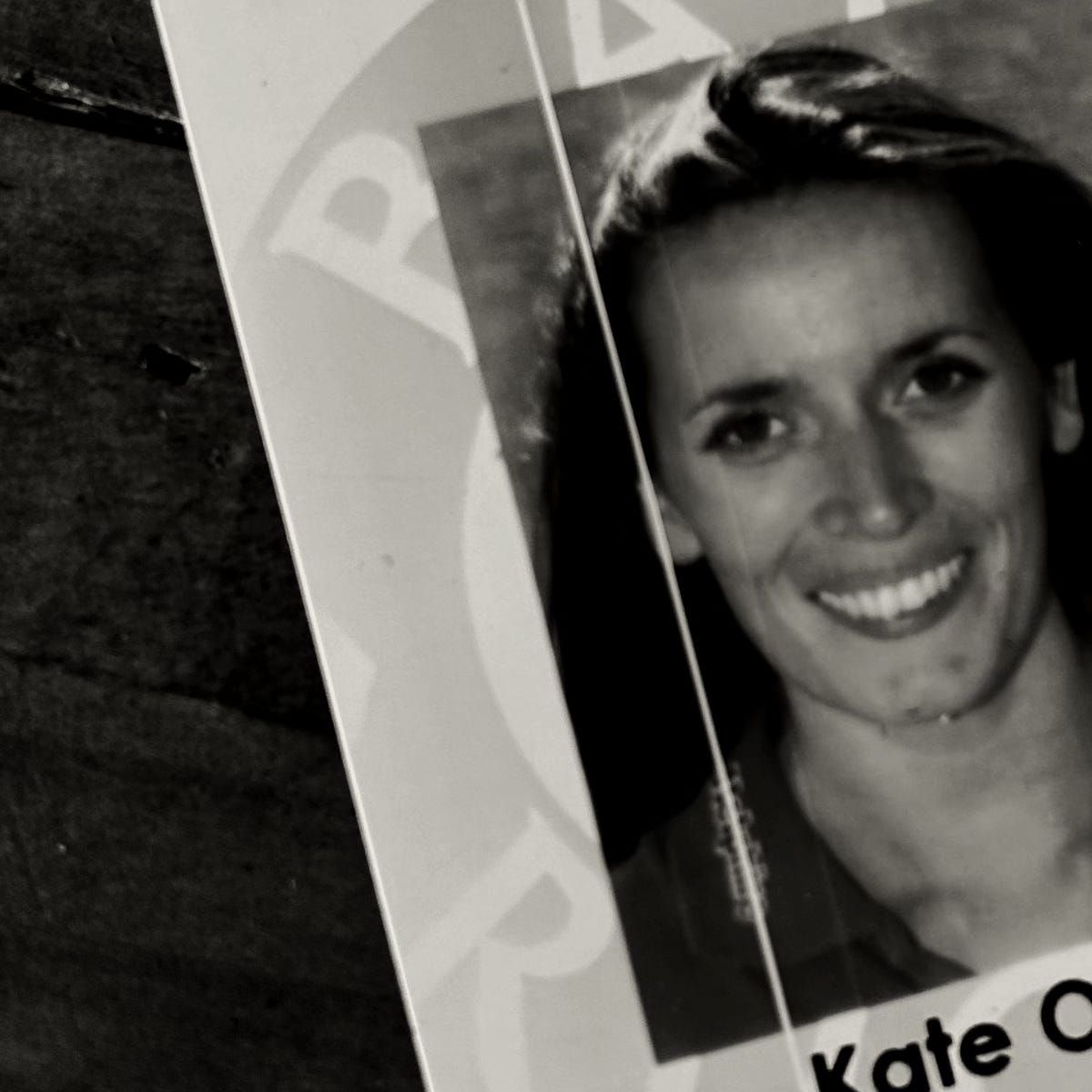
“Why are you here?”
That’s what the club captain asked me on my first away trip.
I was new at the club. I think we were in France, although that part isn’t important. What I remember most clearly is how small I felt.
I only had one branded T-shirt.
My bag didn’t have a squad number on it.
And I was travelling with a group of players who had known each other for years.
There was only one other woman on the trip and, from my perspective, she had long since proved that she belonged.
So when the captain asked me why I was there, I didn’t immediately understand what he meant. I assumed he was asking why I was standing in the corridor.
Then he said it again, adding:
“Here. In France.”
And suddenly it made sense.
He was questioning why I had come on the trip at all.
For a moment I was speechless. He explained that the other press officers never used to travel, which I knew wasn’t true. But that wasn’t really the point.
What he was really saying was that I didn’t belong there.
It hurt more than I expected. I respected him enormously and to have that respect met with doubt was crushing. I wish I’d had the words at the time to explain how offensive that assumption was.
Instead, I went to my room and cried.
It was the first and last time I did that while working at the club.
The quiet test
Looking back, that moment was a turning point.
It taught me two things.
First, that as a woman in that environment I would likely have to work harder to prove that I had a right to be there.
Second, that no one else was going to give me confidence. I would have to build it myself.
So, I made a quiet promise to myself that night.
No one would ever make me feel that small again.
I wouldn’t try to argue my way into belonging. I would simply become very good at my job.
Preparation.
Calmness under pressure.
Attention to detail.
Those things would speak for me.
And over time, they did.
This is how elite environments work
Later I realised something important.
Moments like that are not unusual in elite sport.
New players experience versions of it all the time. They walk into dressing rooms where relationships already exist, hierarchies are already established and trust has already been earned.
No one announces that a test is happening.
But one is.
People are watching.
Not maliciously, necessarily. Just culturally.
They observe how you respond to pressure.
How prepared you are.
Whether you stay composed when things get uncomfortable.
And slowly, through behaviour rather than words, you earn your place.
Confidence is usually quieter than we think
When people talk about confidence, they often imagine something loud or obvious.
But most real confidence is far quieter than that.
It’s staying when someone makes you want to leave.
It’s continuing to do the work even when you feel uncertain.
It’s learning quickly, adjusting and moving forward without letting doubt dictate your behaviour.
In other words, confidence is rarely something you wait for.
It is something you build through action.
The real lesson behind “fake it till you make it”
So if you’ve ever walked into a room and felt like you didn’t quite belong yet, you’re not alone.
Most people who go on to do meaningful work have experienced that moment.
The difference is not that they were already confident.
It’s that they decided not to leave.
Looking back now, I’m actually grateful for experiences like that. They shaped how I now help others rebuild confidence and perform with purpose, whether that’s in sport, business or everyday life.
Because confidence isn’t something someone else hands to you.
It’s something you decide to build.
Right where you stand.
And one final thing.
Never let someone else determine your self-worth.